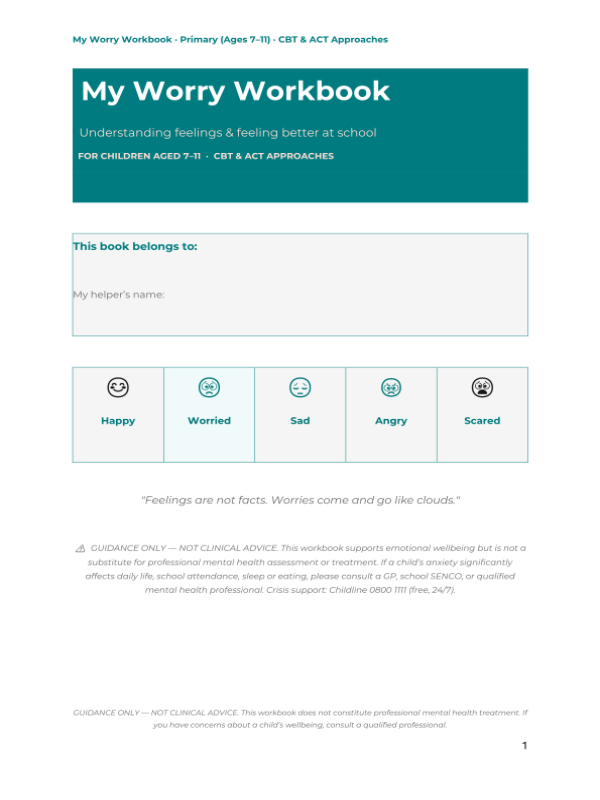
What is the resource?
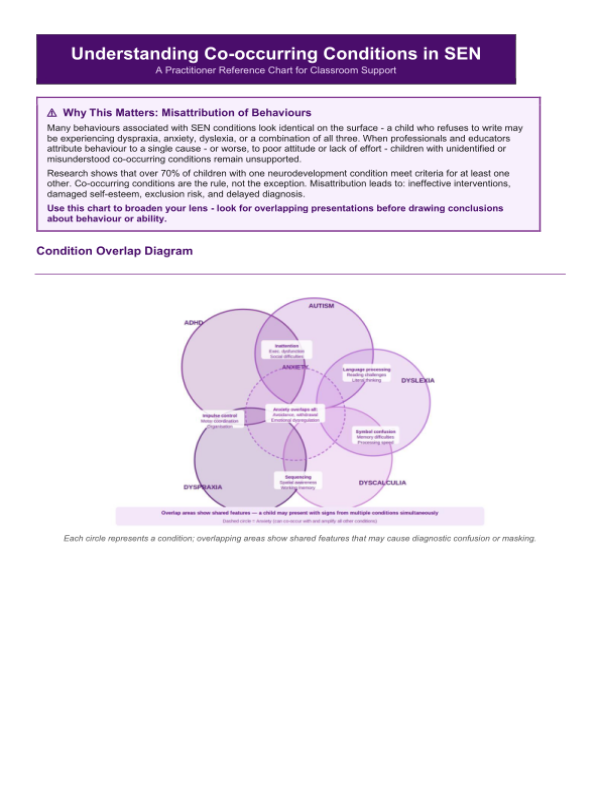
Children rarely arrive in the classroom with a single, neatly defined diagnosis. In reality, many students who have been identified with one condition also meet the criteria for one or more additional conditions — a phenomenon known as comorbidity, or co-occurrence. Understanding how these conditions interact is essential for educators who want to provide genuinely effective support.
Attention Deficit Hyperactivity Disorder (ADHD) is one of the most common conditions seen in schools, and it rarely travels alone. Research consistently shows that around 60–80% of children with ADHD have at least one co-occurring condition. These can include anxiety disorders, dyslexia, dyspraxia (developmental coordination disorder), autism spectrum disorder (ASD), oppositional defiant disorder (ODD), and mood disorders such as depression. Each combination creates a distinct profile that can look very different from student to student, even when the primary diagnosis is the same.
Take a child with ADHD and anxiety as an example. While ADHD might drive impulsivity and inattention, the anxiety component can cause a student to freeze during assessments, avoid participation, or become highly distressed by changes in routine. A teacher who only addresses the ADHD — perhaps through seating arrangements or task-breaking strategies — may still see a child struggling significantly if the anxiety dimension is left unconsidered.
Similarly, a student with ASD and co-occurring ADHD may present with intense focus on areas of personal interest, yet struggle enormously with transitioning between subjects, managing sensory input, and sustaining attention on tasks outside their interests. The overlap between these two conditions means that social difficulties, emotional dysregulation, and executive functioning challenges can compound one another in complex ways.
Dyslexia and ADHD co-occur in approximately 30–50% of cases, creating a dual challenge around reading fluency and sustained concentration. These students can often be misread as lazy or disengaged, when in fact they are working considerably harder than their peers just to access the curriculum. Adding dyscalculia or dyspraxia into the mix further raises the cognitive and physical demands placed on a young learner.
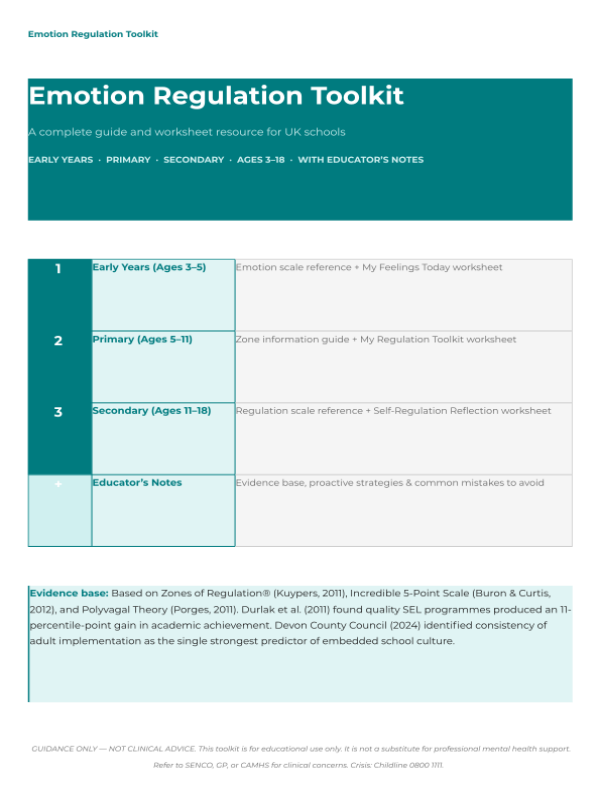
Emotional and behavioural difficulties frequently accompany many of these conditions, not as separate diagnoses but as downstream effects of a child feeling persistently misunderstood, overwhelmed, or unsupported. ODD and conduct-related presentations in particular are often the visible surface of deeper unmet needs.
For classroom practitioners, recognising comorbidity shifts the frame from "what is wrong with this child?" to "what does this child's unique profile require?" It encourages a more holistic, curiosity-led approach to observation and planning, and underlines why one-size-fits-all interventions so often fall short.
Who is it for?
This resource is aimed at classroom teachers, SENCOs, teaching assistants, and school leaders who support students with special educational needs. It is particularly valuable for those working with pupils who have ADHD, ASD, dyslexia, anxiety, or overlapping behavioural difficulties, as well as parents seeking to better understand their child's layered profile and advocate for appropriate provision.
How it should be used
Use this resource as a reference point when reviewing a student's SEN profile or preparing support plans. It should prompt reflection on whether all co-occurring conditions are being accounted for — not just the primary diagnosis. Pair it with condition-specific information and strategies to build a fuller picture, and revisit it when existing interventions do not appear to be having the expected impact.